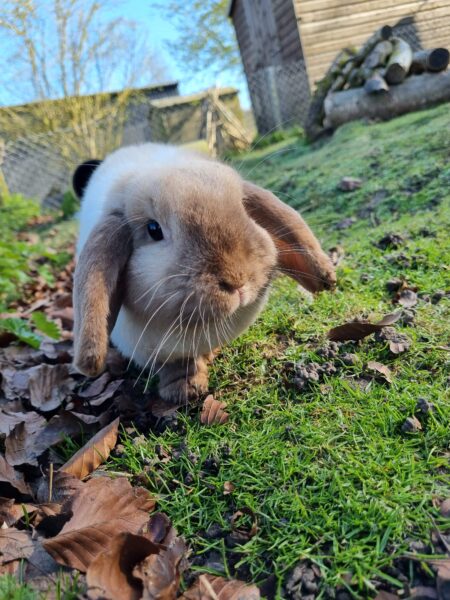
As Easter approaches, many people consider welcoming a rabbit into their family. With their fluffy features and bouncy persona, rabbits can make incredibly rewarding companions. However, what is often overlooked is that rabbits have specialist care needs, and owning one is a long-term commitment that requires time, knowledge and preparation throughout the changing seasons.
The warmer months bring a unique set of care needs for our long eared furry friends. To help you, we’ve put together our top tips to keep them happy and healthy this spring and summer.
Keep cool and hydrated
Rabbits need plenty of space to move, stretch and explore. Whether kept indoors or outdoors, their enclosure should be large, secure and well-ventilated.
Some people assume that their wild heritage means rabbits are hardy to the changing seasons, but they are in fact sensitive to heat and can quickly suffer in direct sunlight. During warmer weather, it’s important to ensure they have access to well shaded areas to avoid overheating, as they can struggle to regulate their body temperature.
To reduce the risk of heat stroke, make sure they always have access to fresh water which should be changed at least twice daily. Provide shaded areas or indoor retreats and consider adding cool surfaces like ceramic tiles or frozen water bottles to help them regulate their temperature.
Prevent flystrike
Warmer months bring the risk of flystrike, which is a serious and potentially fatal condition. During their peak breeding periods, flies can be attracted and lay eggs in rabbits’ fur. They particularly like the rear end and dirty, damp and matted areas of the fur. Unfortunately, as the eggs hatch, they feed on the rabbit’s flesh – the condition is very painful for rabbits and can cause tissue damage leading to serious infections, and even death.
Check your rabbit’s fur and rear every day, especially if it’s damp or dirty. Be extra vigilant with animals suffering from illness causing diarrhoea as this is a particularly high risk. Long-haired rabbits should be groomed regularly to prevent mats. Maintaining clean and dry living areas, and using vet-approved repellents if needed, can protect your rabbit from this hidden danger.
Parasite control
Spring and summer mean more fleas, ticks and mites. It is commonly understood these can cause itchy skin irritations, however in rabbits the impact can go deeper. If left untreated, parasites can cause hair loss, skin infections and even anaemia.
We recommend regularly inspecting your rabbit and keeping up to date with preventive treatments recommended by your vet. Keeping bedding and outdoor areas clean will help to reduce the risk of parasites settling in.
Diet and dental health
A balanced diet is key to keeping happy and healthy rabbits. Rabbits’ dental health is linked to their diet; they need plenty of hay to keep their teeth healthy, and reduce complications caused by dental overgrowth. Introduce fresh spring vegetables gradually as they can cause digestive issues such as gastrointestinal stasis, which can be life threatening as it halts the digestive system. Too much rich grass, vegetables and fruits can also lead to stomach upset and weight gain among other issues.
Keep an eye on eating habits; any sudden changes in appetite can signal problems with teeth and general health.

Welfare, exercise and enrichment
Rabbits need daily exercise and mental stimulation. Whether indoors or in a secure outdoor run, you should provide more space than you may anticipate. A small hutch isn’t enough, they need room to roam including tunnels, toys, and hideouts to keep them active and engaged.
What often goes overlooked when thinking of rabbits’ welfare is their social needs. They are not solitary animals, in the wild they are highly social and as pets they need to be kept with others of their species to maintain their mental wellbeing.
Bored rabbits can become frustrated, which results in aggressive behaviours such as kicking and biting. These can cause injuries to both you and them making sure they have company and plenty of room to exercise can reduce the risk of boredom.
Protect from predators and hazards
During the warmer months you might be tempted to bring indoor hutches into the garden or more open spaces. It is important to ensure that outdoor runs are secure against foxes, birds of prey and neighbourhood cats. Don’t be fooled into thinking rabbits can eat everything in your garden. Common plants such as daffodils, buttercups, tulips (and others) are highly toxic and should be removed from surrounding areas to avoid illness.
Year-round wellness checks
Regular vet check-ups and vaccinations are essential for long-term health. Preventative healthcare is always better than reactive treatment. Monitor your rabbit’s weight, fur condition and behaviour daily. Look out for signs of illness which might include lethargy, a reduced appetite, sneezing, or unusual droppings. If in doubt, call the vet to seek advice.
While rabbits can bring a huge amount of joy, it’s important to fully understand the responsibility that comes with their care. They are not low-maintenance pets and thoughtful preparation is the key to ensuring they live long and happy lives.
If you are thinking about becoming a parent to a bunny, you may like our blog on the reality of rabbit ownership: https://www.ferneanimalsanctuary.org/unveiling-the-truth-easter-and-the-reality-of-rabbit-ownership/