
Holistic Care: The Power of Plants
When caring for animals, there are many practices that can support their health and welfare. Alongside a healthy diet and clean living quarters, regular exercise and preventative veterinary and dental care are high on the priority list for most species. But, much like humans, animal health can also benefit from taking a more holistic approach.
At Ferne, this includes making use of the natural resources available on site. We regularly forage seasonal wild plants (some may call them weeds!) alongside deliberately growing a variety of useful species.
The signs of plant power in practice
When visiting the sanctuary, you will often see buckets dotted around the paddocks. These may contain herbal teas, such as diluted turmeric, herbs steeped in water or a mix of dried herbs for the animals, particularly the equines, to self-select.
Older goats, rabbits, guinea pigs and chinchillas will also regularly have branches of willow scattered around their pens or paddocks.
These natural supplements are more than simple enrichment; they are carefully selected to support the health and welfare needs of our hooved, furry and feathered residents.
The herbal hitlist: from weeds to garden plants
Nettles are more than just a sting
You can’t go far in the UK without encountering one of our favourites – the good old stinging nettle. These ‘weeds’ are versatile, with uses ranging from string and fabric (this is not a skill we possess!) to food and medicine, but they are also packed with nutrients. Nettles contain iron and antioxidants and can provide nutrients to support healthy skin and coats. The seeds are also used to support stress management and kidney function.
They can even benefit the soil. When steeped in water for several weeks, nettles create a nutrient-rich plant food.
The flushing benefits of sticky weed
Often growing alongside the nettles, we regularly forage sticky weed (cleavers), this plant may support lymphatic drainage and act as a mild diuretic. It is said to help flush toxins out of the system and support good gut health. Being high in silica, it is great for hooves and the coat.
This is a lovely one to try yourself. Take a few sprigs and pop them in a bottle of water, refrigerate overnight for a delicious spring detox tonic which tastes very much like cucumber water!
Wild benefits from fields to hedgerows
Some other wild favourites that we have onsite include:
- Dandelion, known for its diuretic properties.
- Yarrow, traditionally used to help stop bleeding, for example when a claw is cut too short.
- Hawthorn, which may support circulation and have calming properties.
- Dog rose, whose rosehips are said to support joint mobility, particularly in older animals.
- Willow bark, which contains salicin, a compound related to aspirin.
From the garden
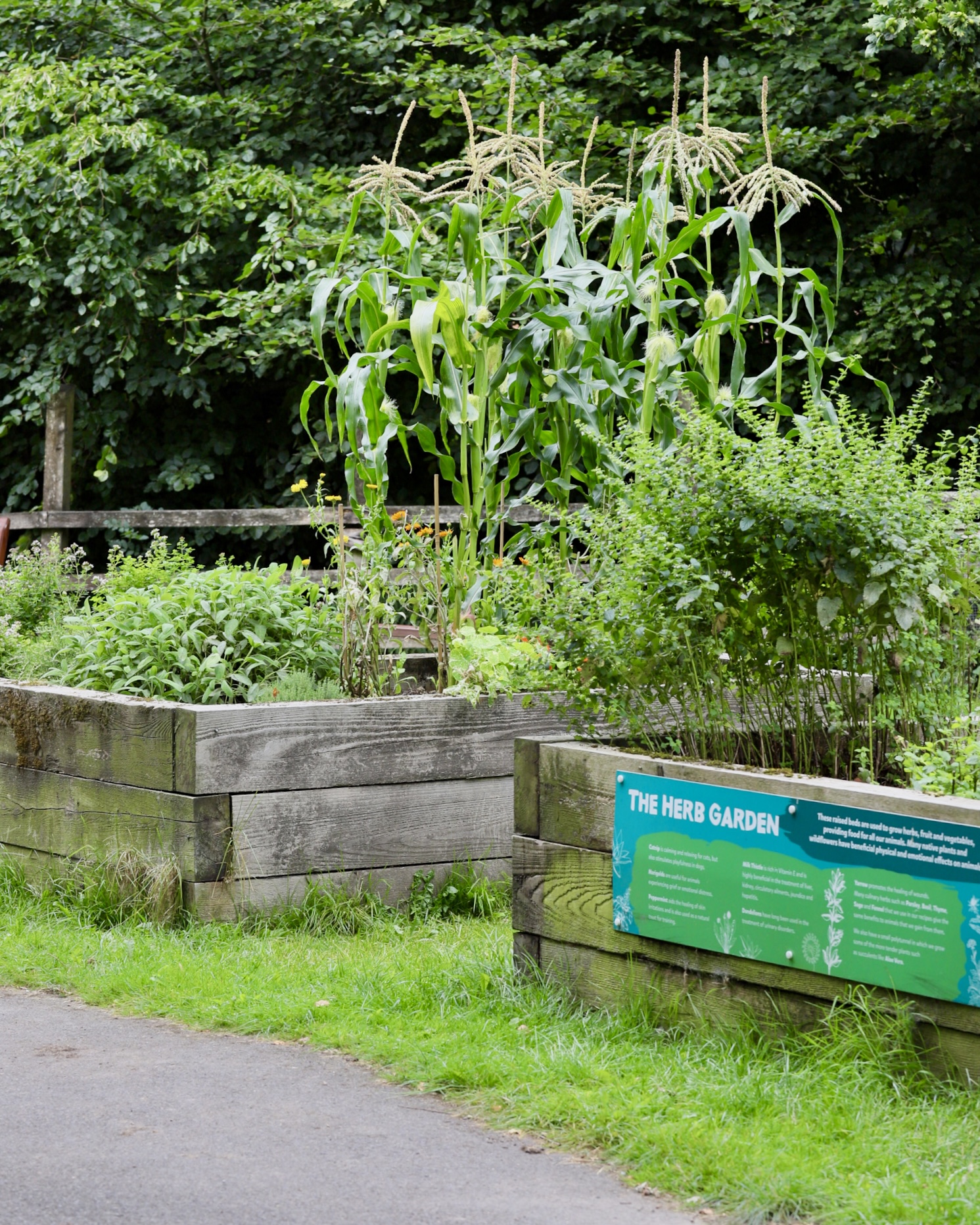
Alongside our wild foraging, we actively grow a variety of useful species in our gardens. Thanks to the excellent skills and attention of our green-fingered volunteers Margaret and Louise, these plants are nurtured and harvested throughout the year to support the animals in our care.
Attractive to the eye, soothing to the sting
Calendula’s bright orange, daisy-like flowers bring colour to the garden while also being used to support skin issues such as hot spots and insect bites. It can be used topically when infused in a carrier oil or fed in dried form.
Fragrant and calming
Lemon balm, with its strong citrus smell and mint like shape, is another herb we use to aid calming. It can be simply dried and fed or made into a tea to be used as a daily supplement. Studies show the calming benefits of this super plant build over several weeks offering full results from around four weeks of use.
We love it so much we grow it on purpose
Mullein is found growing wild, but we also deliberately cultivate it. Not to be confused with toxic foxglove, mullein is used to support respiratory function, particularly when there is excess mucus. Its flowers can also be infused in carrier oil for topical use and to help relieve symptoms such as ear ache.
Some other cultivated favourites that we grow include:
- Mint, traditionally used to support digestion.
- Lavender, known for its calming properties.
- Oregano and thyme, which are said to have antimicrobial properties and can be used in teas or combined with cider apple vinegar.
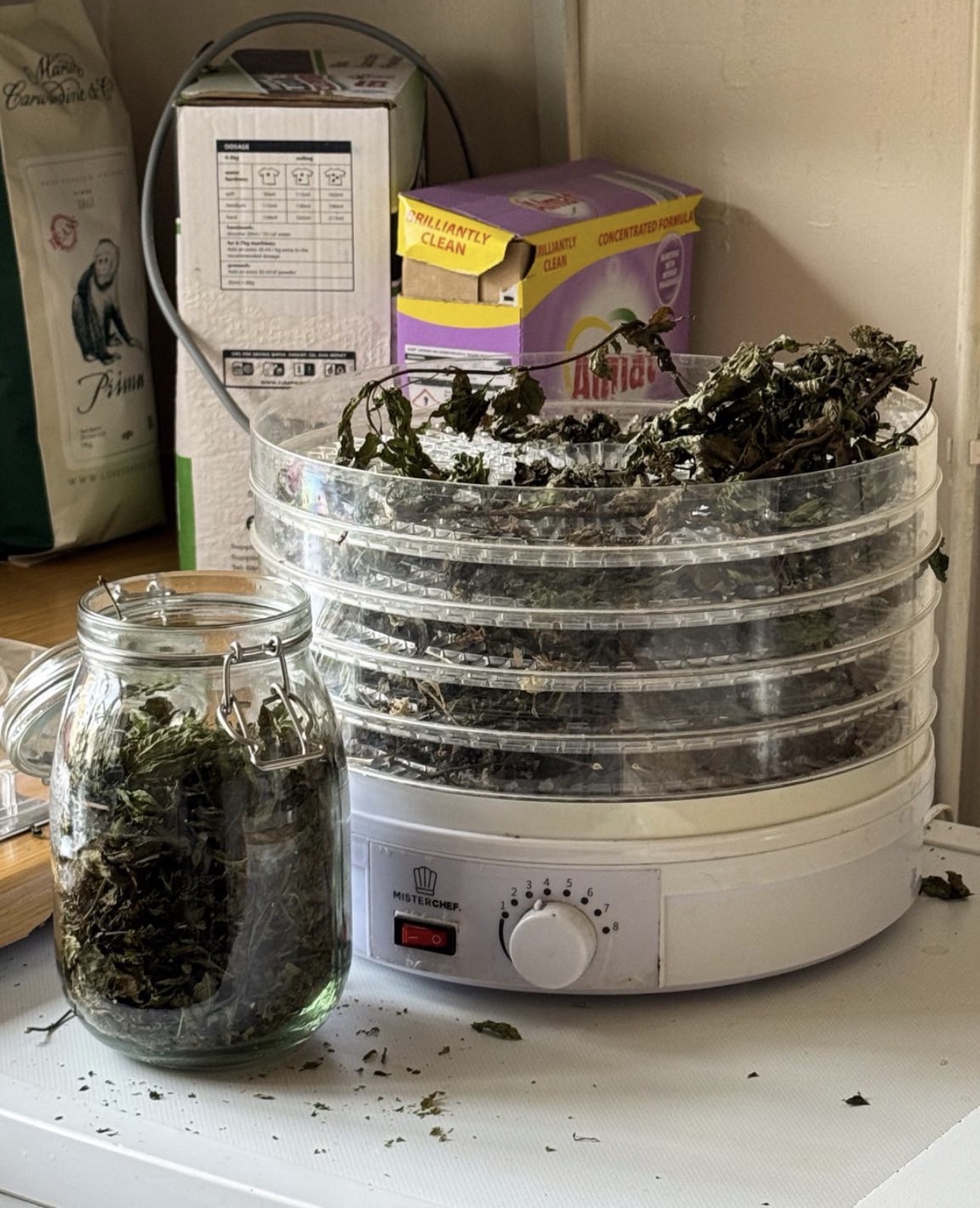
With so many wild and home-grown treasures available, we forage and harvest throughout the year. Fresh plants are offered as enrichment, while foliage, stems, roots and bark can be dried in a dehydrator and stored for use during winter.
Tea or not to tea
Most of our animals, from cows, goats and horses to guinea pigs and chinchillas, will enjoy a herbal tea. We have practised this for many years. Our Animal Care Manager, Nikki, has a particular interest in beneficial plants, and we have gradually incorporated more into our pastures, raised herb gardens and polytunnels.
For us, this practice isn’t new. People and cultures have harnessed the power of plants for thousands of years, although some of this knowledge may have become lost over time.
We do share our knowledge of plants with caution. Natural does not always mean safe, and accurate identification is crucial as some plants can look similar but be highly toxic. If you are not certain, don’t take the risk with your animal’s health.
Always consult your vet, as some plants can interact with medication or may be unsuitable for animals with particular health conditions. Plant-based care does not replace veterinary treatment, but it can be used as part of a holistic plan to support animal health and welfare.
For more insights from behind the scenes, you might like our blog post on difference ways to experience Ferne: https://www.ferneanimalsanctuary.org/a-different-way-to-experience-ferne-behind-the-scenes-tours/